Woks have a approach of drawing chefs in. The first time I picked up a wok, I underestimated its versatility and the refined differences that include completely different constituents. If you could have stood in a kitchenware aisle or scrolled by way of pages of cookware, you have got presumably paused at the question: solid iron or carbon metallic? Both have unswerving fans and storied histories, but what approximately the rate - the two at the salary sign in and in everyday use? Let’s step as a result of the proper variations, surprises, and commerce-offs among those two basic woks.
The Heritage of Each Wok
In Chinese kitchens, woks have been relevant for hundreds of years. Carbon steel was sought after within the 20th century, prized for its lightness and responsiveness. Cast iron has roots even deeper, with thick-walled types liked for stewing and deep-frying in northern China. Western kitchenware brands have further their personal twists, many times complicating the picture with seasoning shortcuts or delivered coatings.
Understanding this context topics. A wok isn't very just a pan: it's a tool formed by generations of chefs refining its design for their stoves and elements. The material you decide upon influences how you prepare dinner and what you pay.
What Drives the Price?
The decal worth of a wok is shaped by a couple of causes: uncooked cloth value, hard work, production region, brand status, and additional services. Carbon metallic is less expensive in keeping with pound than forged iron. However, labor expenditures can flip this. Hand-hammered carbon metallic woks from China can payment two times as a great deal as machine-cast iron ones from a Western brand.
Cast iron woks vary dramatically. You’ll see simple types from Chinese brands opening around $30 to $50 for a 14-inch wok, infrequently less if unbranded. Western solid iron (think Lodge) can climb to $70 or extra, in part thanks to thicker walls and tooth coatings.
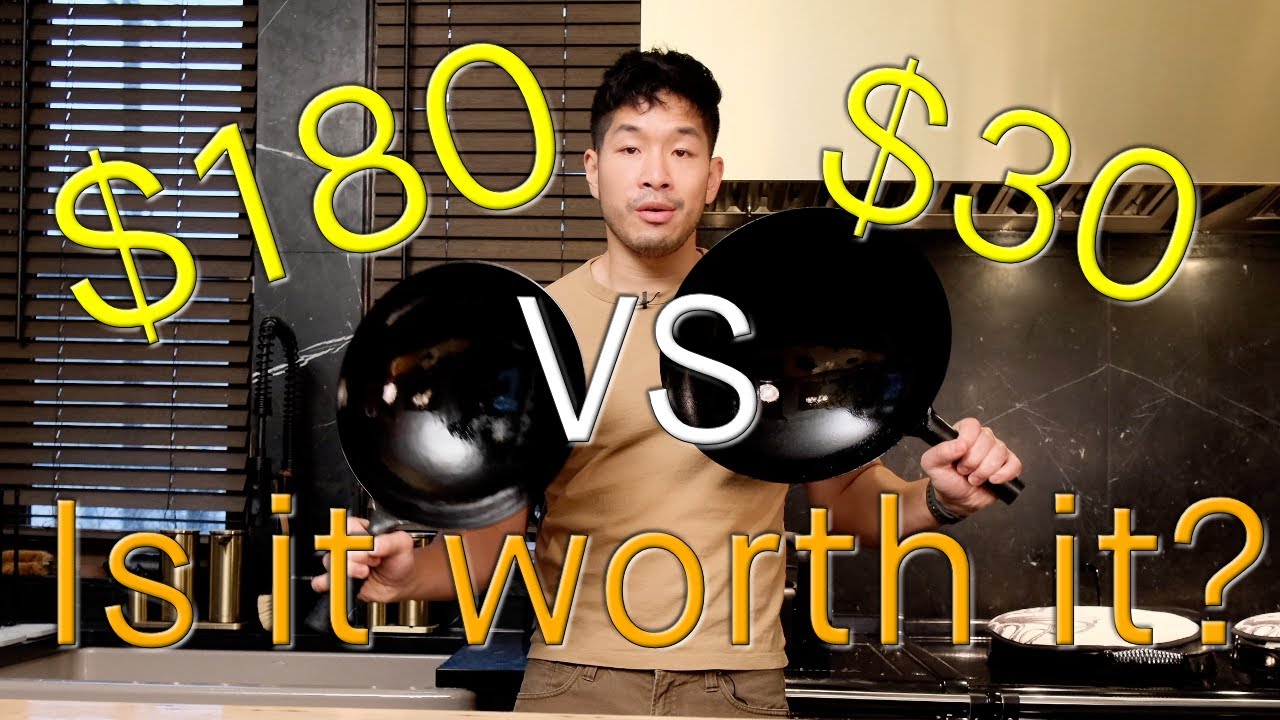
Carbon metallic woks beginning low: $20 to $40 for entry-level, heavily produced pans. If you favor hand-hammered or specialty shapes (pow woks with round bottoms), count on $60 to $120, pretty while imported or made by artisans.
The numbers most effective tell part the story. You also pay in weight, seasoning effort, protection, and adaptableness. These hidden quotes in general be counted simply as much as the upfront cost.
Comparing Everyday Use
Price is hardly as regards to check; it is usually approximately time and pride. I don't forget my first forged iron wok - a beast at approximately 9 pounds empty. It held warm beautifully but left me winded after twenty mins of tossing veggies. In contrast, my well-known carbon steel wok weighs less than 4 pounds and movements with me throughout the burner.
Heat Performance
Cast iron excels at keeping warm. This makes it extensive for deep-frying or braising wherein stable temperature concerns extra than sudden shifts. On the alternative hand, carbon steel heats up easily and responds quick after you carry or cut back the flame - good for stir-fries that call for break up-2nd timing.
If you cook on an induction cooktop or glass-correct electrical stove, weight will become even more correct. Some glass cooktops crack lower than heavy forged iron. For high-BTU gasoline stoves, either textile will paintings; but on domicile burners that lack strength, carbon steel's responsiveness on the whole makes up for its lessen warmness retention.
Seasoning and Maintenance
Seasoning is the place many patrons underestimate their funding. A new solid iron wok may arrive pre-professional if received from a Western emblem (like Lodge), but such a lot Asian units require various rounds of oiling and heating earlier they may be waiting. Carbon steel wants equivalent care: washing off manufacturing unit oils, burning off residues over top warm, then building up layers of polymerized oil by means of repeated cooking.
Here’s a instant comparative list for seasoning:
Preparation: Both desire preliminary scrubbing and seasoning until pre-professional. Ease: Carbon steel seasons quicker because of its smoother pores. Durability: Cast iron holds seasoning longer however chips if dropped. Maintenance: Both call for gentle washing (no soap), instant drying, re-oiling after use. Repair: Rust is simpler to get rid of from carbon steel; solid iron necessities greater vigilance in opposition to deep pitting.If you’re new to wok cooking and impatient with renovation, a pre-seasoned forged iron edition may possibly area out carbon metal in comfort - a minimum of except you get snug maintaining your very own patina.
Cooking Versatility
This comes right down to the way you cook dinner in general. Cast iron’s thick base maintains oil temperature continuous for deep-frying spring rolls or rooster wings. But it takes longer to warmth up for fast stir-fries - once in a while lengthy enough that vegetables steam instead of sear.
Carbon steel is nimble. Its lighter frame allows you to toss noodles with one hand while flipping an omelet with the other. If “wok hei” - that coveted smoky aroma from excessive-warmth stir-frying - is your target, carbon metal gives you a superior shot at attaining it on a trendy homestead stove.
The flip aspect: carbon metal is more likely to warp if overheated empty or uncovered to unexpected temperature shifts (like rinsing a hot pan with chilly water). Cast iron shrugs off abuse however can crack if dropped on tile floors.
Longevity vs Cost Over Time
A effectively-cared-for wok must closing a long time. The big difference is in the way it a while. My grandmother’s cast iron has considered forty years of carrier; its floor is dark and glassy from hundreds of thousands of ingredients. A family member’s carbon steel, received ten years in the past at a rainy market in Guangzhou for approximately $15 USD, still outperforms such a lot leading-edge nonstick pans - yet its bottom is a bit asymmetric from years on an ancient coal stove.
If you’re in search of natural longevity consistent with buck spent:
- Cast iron wins in case you settle for its weight and treat it lightly. Carbon metal might also need to be replaced each decade or so if abused, but careful customers get generations of carrier.
Enamel-coated solid iron complicates matters. The coating prevents rust yet chips readily with metal utensils or excessive heat. Once chipped, it exposes raw iron that rusts promptly - broadly speaking requiring alternative some distance ahead of naked metal woks.
Price Beyond the Pan: Accessories and Upkeep
Your wok is only as victorious as your setup permits. Consider the extras:
- Handles: Cast iron regularly has loop handles; carbon metal may just have picket “helper” handles that live cool. Lids: Rarely included. Expect to spend an alternate $10-$20. Wok earrings: Useful for around-bottomed types on flat Western stoves. Brushes or bamboo scrubbers: A few bucks however major for preservation. Oil for seasoning: Any impartial oil works; don’t purchase “seasoning kits.”
These extras add up - in many instances a further $20-$forty on upper of your preliminary purchase.
User Experience: A Cook’s Perspective
I’ve cooked with either in dwelling and restaurant settings. For catering jobs, where speed matters and I maybe cooking for hours at a stretch, carbon metal wins arms-down: lighter, more uncomplicated to easy among batches, less draining on my wrists. The drawback reveals up in gigantic-scale deep-frying or long braises; here, forged iron’s mass can pay off with the aid of retaining secure warm once I pour in chilly components.
At home, I succeed in for forged iron when I favor a one-pot meal to retain warm temperature at the desk - believe mapo tofu or red-cooked beef abdominal. For weeknight stir-fries or some thing regarding swift pours of sauce and vegetables in succession, carbon steel will get the nod.
One lost sight of distinction is how both drapery interacts with acidic ingredients. Tomato-stylish sauces or vinegar-heavy stir-fries can strip seasoning from equally sorts, but forged iron is extra susceptible if not totally seasoned. Some chefs evade by way of potent acids of their forged iron altogether except they confidence their patina is mature.
A Brief Table: Typical Price Ranges and Features
| Type | Typical Price Range (USD) | Weight (14-inch) | Heating Style | Seasoning Required | Durability | |-------------------|--------------------------|------------------|--------------------|--------------------|---------------------------| | Cast Iron | $30 - $eighty | 7 - 12 lbs | Slow/Even | Yes | Decades with care | | Carbon Steel | $20 - $120 | three - 5 lbs | Fast/Responsive | Yes | Decades if maintained | | Enamel Cast Iron | $70 - $150 | 8 - thirteen lbs | Slow/Even | No | Chips shorten lifespan |
Prices vary centered on logo and finish. Expect top expenses for hand-hammered or imported units. Entry-stage possibilities are serviceable in case you make investments time in excellent seasoning.
Who Should Buy What?
If your kitchen is small or your wrists tire quickly, carbon steel’s cut weight is a remedy. Apartment dwellers with induction stoves can also discover forged iron simpler to pair with their cooktops attributable to its magnetic heft. Outdoor cooks who love campfire stir-fries must always word that forged iron stands up better to open flames and rough dealing with.
Budget-awake customers get more value per dollar from carbon steel until they crave a pan that doubles as a serving vessel for gradual-simmered stews. Cast iron rewards persistence and care, at the same time carbon metallic forgives moved quickly seasoning missteps - that you may necessarily strip again rust and begin returned.
Here’s a essential checklist of things to weigh while picking:
Heat supply (gas is ideal for both; induction prefers cast iron) Cooking variety (quickly stir-fries vs gradual braises) Tolerance for weight Willingness to sustain seasoning Budget for preliminary acquire plus required accessoriesReal-World Shopping Advice
Don’t be dazzled by way of advertising and marketing claims or sky-excessive quotes. I’ve picked up best carbon metal woks in Chinatown retail outlets for less than $25 that outperform clothier models three instances the cost. Inspect welding high-quality on handles and avert pans with painted in preference to naked-steel interiors.
If you pick cast iron, are attempting lifting a show brand earlier buying online - nine pounds of pan feels the different in hand than it appears to be like in a picture. If doable, opt one with a a bit thinner wall for abode use; business fashions should be would becould very well be overkill for modest stoves.
Seasoning stays the so much invaluable investment after your acquire. Plan an hour for initial prep paintings until now your first meal; watch just https://finnpuyv210.lucialpiazzale.com/longevity-and-care-cast-iron-wok-vs-carbon-steel-wok-1 a few movies or ask an experienced good friend for practise in the event you’re in doubt.
Final Thoughts: Value Lies in Fit
Ultimately, “Cast Iron Wok vs Carbon Steel” is not very nearly greenbacks spent but approximately matching your system on your necessities and conduct. Both constituents present great magnitude if cared for properly. Cast iron brings heft and history; carbon metal brings flexibility and speed. The true selection grants years of trustworthy cooking at a fraction of the expense - and far more desirable satisfaction - than leaping from one nonstick pan to a further.
As you weigh your chances, be mindful not just cost tags but the rhythm of your cooking existence: how you transfer on your kitchen, what you're keen on to devour, who you prepare dinner for. With care and train, either wok will reward you with meals that sizzle with taste and tradition. And that’s a return on investment no spreadsheet can calculate.